Dental restorations in Pattaya
Dental Restoration Materials in Pattaya: Zirconia, Porcelain, Titanium, or Acrylic?
Choosing a crown, veneer, denture, implant component, or bridge is not only a question of price. The material affects strength, appearance, repair options, treatment time, and how your bite feels over the long term.
Quick answer: which dental material is best?
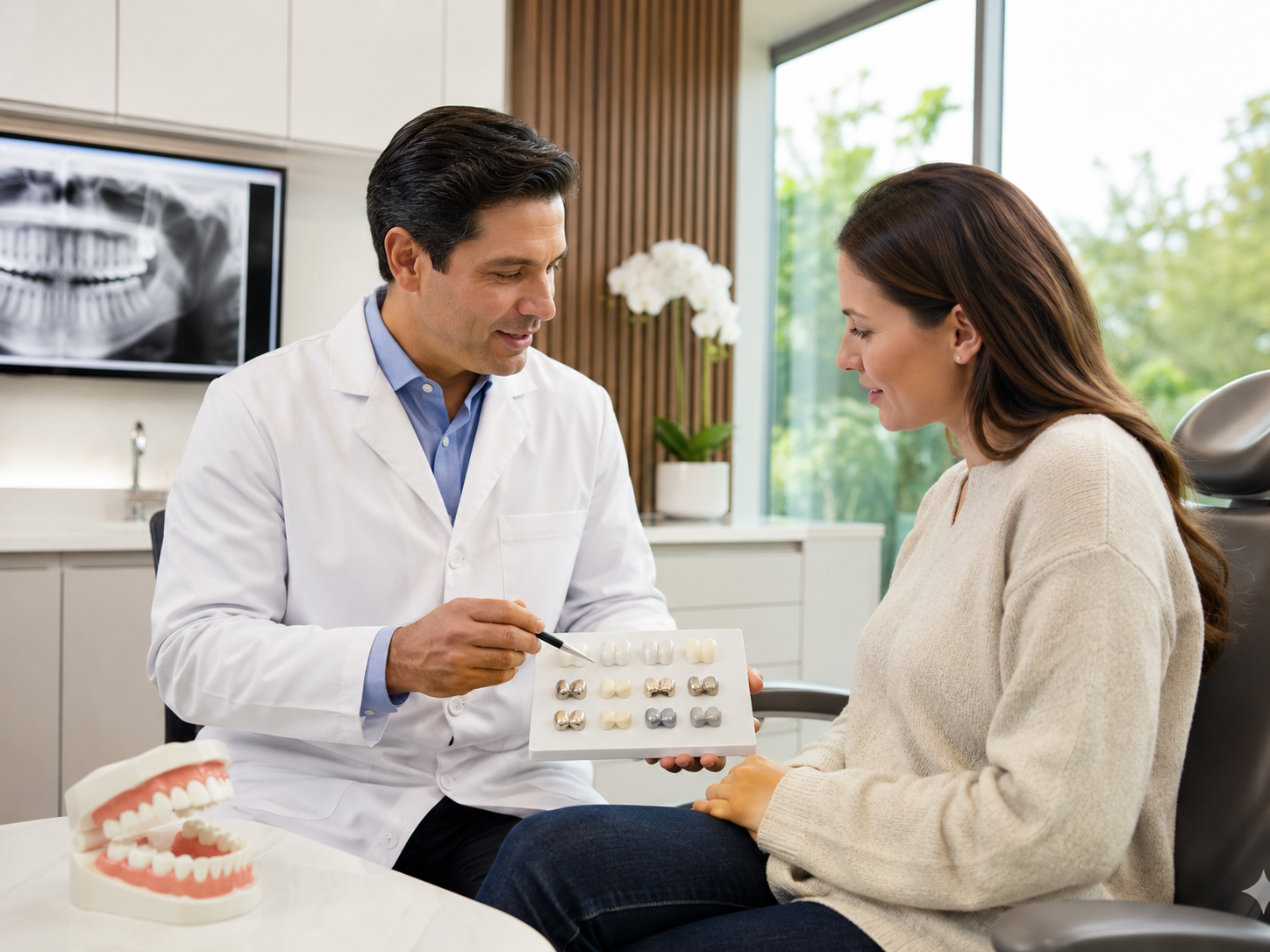
There is no single best dental restoration material for every patient. Zirconia is often chosen for strength, porcelain and lithium disilicate for highly aesthetic visible teeth, titanium for many implant fixtures, and acrylic or resin for some temporary restorations and dentures. The right choice depends on the tooth position, bite force, smile goals, gum health, available space, and budget.
Why material choice matters
Dental patients in Pattaya often compare treatment costs before choosing a clinic, especially when planning several crowns, dentures, veneers, or dental implants during a trip to Thailand. Cost is important, but the material decision should also answer a more practical question: what needs to survive in your mouth every day?
Back teeth need to handle chewing force. Front teeth need to match color, translucency, and shape. Implant-supported teeth need stable components that fit accurately with the implant system. Dentures need a balance of comfort, repairability, and natural appearance. A good treatment plan weighs these trade-offs before anything is made.
Strength
Molars, bridges, and patients with heavy bite forces may need stronger ceramics or reinforced frameworks.
Aesthetics
Visible front teeth often need materials that can mimic enamel color, edge translucency, and surface texture.
Maintenance
Some materials are easier to polish, adjust, repair, or replace if your bite changes in the future.
Common dental restoration materials explained
| Material | Often used for | Key considerations |
|---|---|---|
| Zirconia | Crowns, bridges, implant crowns, posterior restorations | Very strong and useful for high-bite areas. Modern translucent zirconia can look natural, but shade matching still needs careful planning for front teeth. |
| Porcelain or layered ceramic | Front crowns, veneers, aesthetic smile work | Can create lifelike color and translucency. Layered ceramics may be more technique-sensitive and can chip if overloaded. |
| Lithium disilicate ceramic | Veneers, inlays, onlays, anterior crowns | Often chosen where appearance matters and enough enamel or tooth structure remains. Case selection is important. |
| Titanium | Dental implant fixtures and some abutments | Widely used for implant components because of biocompatibility and long clinical use. Component compatibility with the implant brand matters. |
| Acrylic or resin | Denture bases, temporary crowns, provisional implant teeth | Useful for temporary or removable solutions and easier to repair than many ceramics. It may wear or stain faster than ceramic materials. |
| Cobalt-chromium or metal frameworks | Partial denture frameworks, some support structures | Can make removable partial dentures thinner and stronger than acrylic-only designs, but the visible clasp position should be discussed. |
How material decisions change by treatment
The same material can be excellent in one situation and unsuitable in another. For example, zirconia may be a practical choice for a back molar crown, while a thin ceramic veneer on a front tooth may need a different material to achieve the best optical match.
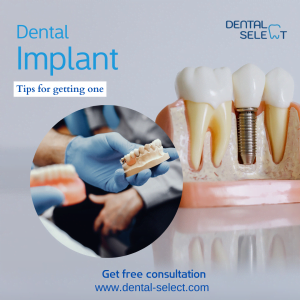
If you are planning dental implants in Pattaya, the material discussion should include both the implant fixture and the visible tooth attached to it. The implant brand, abutment design, crown material, gum thickness, and bite all affect the final result.
Patient decision checklist
- Is the restoration for a front tooth, back tooth, or full arch?
- Do you grind or clench your teeth?
- Is this a temporary, removable, or long-term fixed restoration?
- How important is maximum natural translucency?
- Will future repair or replacement be easy if you travel often?
Cost factors in Thailand and Pattaya
Dental restoration cost in Thailand can vary because the fee is not only for the material itself. The final price may include tooth preparation, digital scans or impressions, laboratory work, temporary restorations, implant components, shade matching, follow-up adjustments, and the complexity of your bite.
A lower-cost option may be appropriate for a temporary denture or provisional crown. For a visible front tooth, complex bridge, or implant-supported restoration, choosing only by the lowest price can create a higher risk of remake, poor shade match, or premature wear. Use the clinic’s dental fee guide as a starting point, then confirm the exact treatment plan after an examination.
What the treatment process usually involves
Examination and diagnosis
The dentist checks the tooth, gums, bite, existing restorations, and any X-rays needed for treatment planning. For implants, the planning may also involve bone and gum assessment.
Material and design discussion
Your dentist explains suitable options, including the benefits and limits of each material for your case. This is the best time to ask about shade, durability, maintenance, and travel schedule.
Preparation, scan, or impression
The tooth or implant area is prepared as needed. A scan or impression is taken so the restoration can be designed and made by the dental laboratory.
Fitting and adjustment
The restoration is checked for fit, color, bite, and comfort. Small bite adjustments are common and help protect both the restoration and the opposing teeth.
How to prepare before choosing a material
If you are visiting Pattaya for dental treatment, bring recent dental records or X-rays if you have them. Make a list of previous crowns, implants, allergies, night guard use, and any history of chipped restorations. Tell the dentist if your treatment must fit within a travel window, because some restorations require laboratory time or a follow-up visit.
For cosmetic work, photos of smiles you like can help explain your preferred tooth shape and brightness. For dentures or implants, think about your priorities: fixed teeth, removable teeth, easier cleaning, repair options, or staged treatment. These preferences can change the recommended material and design.
Questions to ask your dentist
- Why is this material recommended for my bite and tooth position?
- What are the main alternatives, and what would I gain or give up?
- How many appointments are usually needed?
- Can this restoration be repaired if I am overseas?
- For implant teeth, are the components compatible with my implant brand?
- Will I need a night guard to protect the restoration?
FAQ about dental restoration materials
Is zirconia better than porcelain?
Zirconia is generally chosen for strength, while porcelain or layered ceramics may be preferred for highly aesthetic front teeth. The better option depends on bite force, tooth position, available space, and the appearance you want.
What material is used for dental implants?
Many implant fixtures are made from titanium or titanium alloy. The visible replacement tooth may be made from zirconia, porcelain, or another dental ceramic, depending on the plan and implant system.
Are acrylic dentures still used?
Yes. Acrylic is still commonly used for full dentures, temporary dentures, and some denture bases because it is adjustable and repairable. Some partial dentures may use metal frameworks for added strength.
Can I choose the cheapest material?
Sometimes a lower-cost material is appropriate, especially for a temporary restoration. For long-term crowns, bridges, veneers, or implant-supported teeth, the decision should also consider durability, appearance, bite force, and future maintenance.
How do I know which material is right for me?
A clinical exam is needed because the best choice depends on your mouth, not just a product name. Dental Select can explain suitable options after checking your teeth, gums, bite, X-rays, and treatment goals.
Planning crowns, veneers, dentures, or dental implants in Pattaya?
Dental Select can help you compare restoration materials, treatment timing, and cost considerations before you decide. Contact the clinic to arrange an examination and receive recommendations based on your teeth, bite, and goals.