dental-select

Dental Restoration Materials in Pattaya: Zirconia, Porcelain, Titanium, or Acrylic?

Dental restorations in Pattaya

Dental Restoration Materials in Pattaya: Zirconia, Porcelain, Titanium, or Acrylic?

Choosing a crown, veneer, denture, implant component, or bridge is not only a question of price. The material affects strength, appearance, repair options, treatment time, and how your bite feels over the long term.

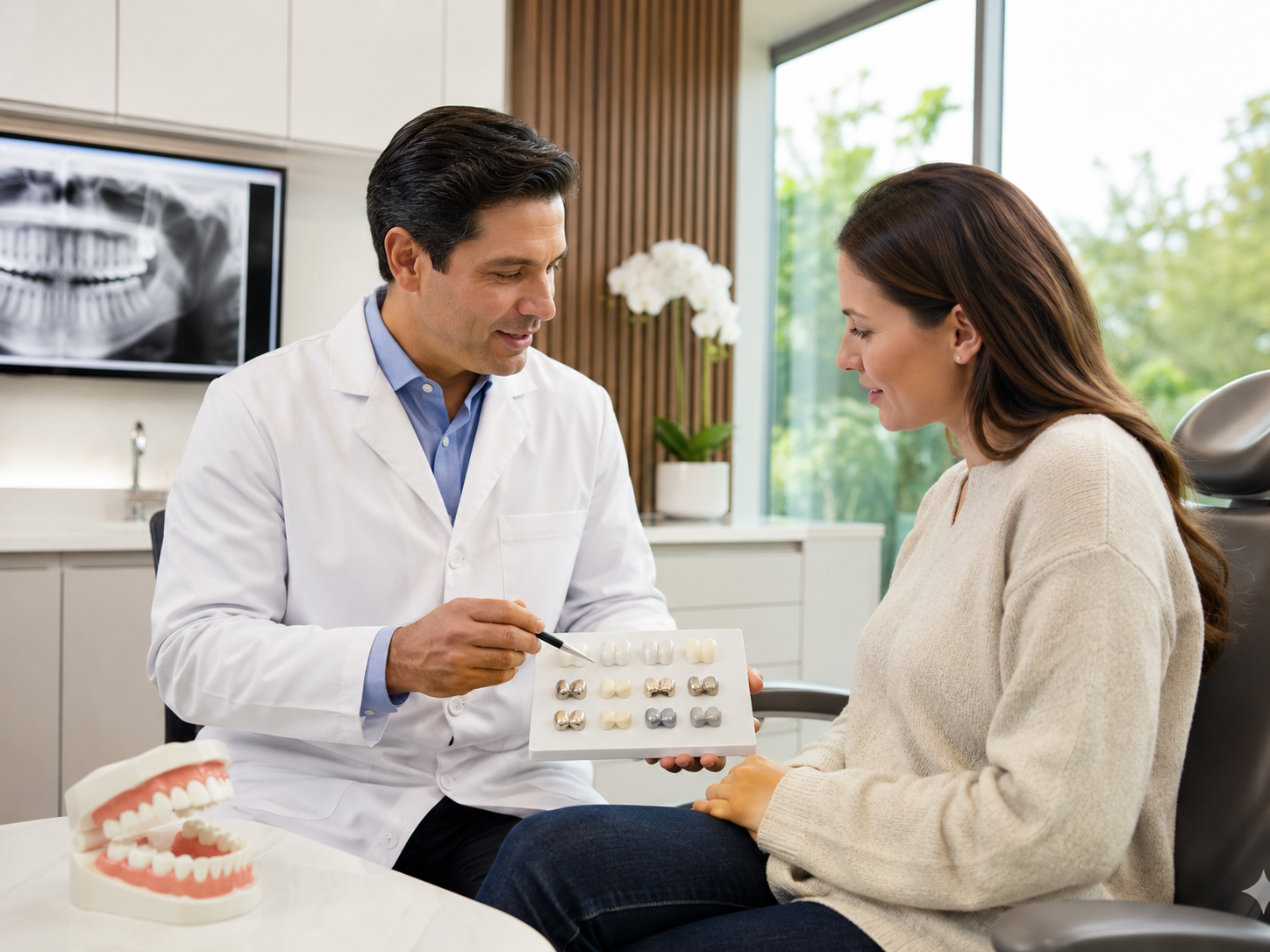
Dentist discussing dental crown and restoration material choices with a patient in Pattaya

Quick answer: which dental material is best?

There is no single best dental restoration material for every patient. Zirconia is often chosen for strength, porcelain and lithium disilicate for highly aesthetic visible teeth, titanium for many implant fixtures, and acrylic or resin for some temporary restorations and dentures. The right choice depends on the tooth position, bite force, smile goals, gum health, available space, and budget.

Why material choice matters

Dental patients in Pattaya often compare treatment costs before choosing a clinic, especially when planning several crowns, dentures, veneers, or dental implants during a trip to Thailand. Cost is important, but the material decision should also answer a more practical question: what needs to survive in your mouth every day?

Back teeth need to handle chewing force. Front teeth need to match color, translucency, and shape. Implant-supported teeth need stable components that fit accurately with the implant system. Dentures need a balance of comfort, repairability, and natural appearance. A good treatment plan weighs these trade-offs before anything is made.

Strength

Molars, bridges, and patients with heavy bite forces may need stronger ceramics or reinforced frameworks.

Aesthetics

Visible front teeth often need materials that can mimic enamel color, edge translucency, and surface texture.

Maintenance

Some materials are easier to polish, adjust, repair, or replace if your bite changes in the future.

Common dental restoration materials explained

MaterialOften used forKey considerations
ZirconiaCrowns, bridges, implant crowns, posterior restorationsVery strong and useful for high-bite areas. Modern translucent zirconia can look natural, but shade matching still needs careful planning for front teeth.
Porcelain or layered ceramicFront crowns, veneers, aesthetic smile workCan create lifelike color and translucency. Layered ceramics may be more technique-sensitive and can chip if overloaded.
Lithium disilicate ceramicVeneers, inlays, onlays, anterior crownsOften chosen where appearance matters and enough enamel or tooth structure remains. Case selection is important.
TitaniumDental implant fixtures and some abutmentsWidely used for implant components because of biocompatibility and long clinical use. Component compatibility with the implant brand matters.
Acrylic or resinDenture bases, temporary crowns, provisional implant teethUseful for temporary or removable solutions and easier to repair than many ceramics. It may wear or stain faster than ceramic materials.
Cobalt-chromium or metal frameworksPartial denture frameworks, some support structuresCan make removable partial dentures thinner and stronger than acrylic-only designs, but the visible clasp position should be discussed.

How material decisions change by treatment

The same material can be excellent in one situation and unsuitable in another. For example, zirconia may be a practical choice for a back molar crown, while a thin ceramic veneer on a front tooth may need a different material to achieve the best optical match.

If you are planning dental implants in Pattaya, the material discussion should include both the implant fixture and the visible tooth attached to it. The implant brand, abutment design, crown material, gum thickness, and bite all affect the final result.

Patient decision checklist

  • Is the restoration for a front tooth, back tooth, or full arch?
  • Do you grind or clench your teeth?
  • Is this a temporary, removable, or long-term fixed restoration?
  • How important is maximum natural translucency?
  • Will future repair or replacement be easy if you travel often?

Cost factors in Thailand and Pattaya

Dental restoration cost in Thailand can vary because the fee is not only for the material itself. The final price may include tooth preparation, digital scans or impressions, laboratory work, temporary restorations, implant components, shade matching, follow-up adjustments, and the complexity of your bite.

A lower-cost option may be appropriate for a temporary denture or provisional crown. For a visible front tooth, complex bridge, or implant-supported restoration, choosing only by the lowest price can create a higher risk of remake, poor shade match, or premature wear. Use the clinic’s dental fee guide as a starting point, then confirm the exact treatment plan after an examination.

What the treatment process usually involves

1

Examination and diagnosis

The dentist checks the tooth, gums, bite, existing restorations, and any X-rays needed for treatment planning. For implants, the planning may also involve bone and gum assessment.

2

Material and design discussion

Your dentist explains suitable options, including the benefits and limits of each material for your case. This is the best time to ask about shade, durability, maintenance, and travel schedule.

3

Preparation, scan, or impression

The tooth or implant area is prepared as needed. A scan or impression is taken so the restoration can be designed and made by the dental laboratory.

4

Fitting and adjustment

The restoration is checked for fit, color, bite, and comfort. Small bite adjustments are common and help protect both the restoration and the opposing teeth.

How to prepare before choosing a material

If you are visiting Pattaya for dental treatment, bring recent dental records or X-rays if you have them. Make a list of previous crowns, implants, allergies, night guard use, and any history of chipped restorations. Tell the dentist if your treatment must fit within a travel window, because some restorations require laboratory time or a follow-up visit.

For cosmetic work, photos of smiles you like can help explain your preferred tooth shape and brightness. For dentures or implants, think about your priorities: fixed teeth, removable teeth, easier cleaning, repair options, or staged treatment. These preferences can change the recommended material and design.

Questions to ask your dentist

  • Why is this material recommended for my bite and tooth position?
  • What are the main alternatives, and what would I gain or give up?
  • How many appointments are usually needed?
  • Can this restoration be repaired if I am overseas?
  • For implant teeth, are the components compatible with my implant brand?
  • Will I need a night guard to protect the restoration?

FAQ about dental restoration materials

Is zirconia better than porcelain?

Zirconia is generally chosen for strength, while porcelain or layered ceramics may be preferred for highly aesthetic front teeth. The better option depends on bite force, tooth position, available space, and the appearance you want.

What material is used for dental implants?

Many implant fixtures are made from titanium or titanium alloy. The visible replacement tooth may be made from zirconia, porcelain, or another dental ceramic, depending on the plan and implant system.

Are acrylic dentures still used?

Yes. Acrylic is still commonly used for full dentures, temporary dentures, and some denture bases because it is adjustable and repairable. Some partial dentures may use metal frameworks for added strength.

Can I choose the cheapest material?

Sometimes a lower-cost material is appropriate, especially for a temporary restoration. For long-term crowns, bridges, veneers, or implant-supported teeth, the decision should also consider durability, appearance, bite force, and future maintenance.

How do I know which material is right for me?

A clinical exam is needed because the best choice depends on your mouth, not just a product name. Dental Select can explain suitable options after checking your teeth, gums, bite, X-rays, and treatment goals.

Planning crowns, veneers, dentures, or dental implants in Pattaya?

Dental Select can help you compare restoration materials, treatment timing, and cost considerations before you decide. Contact the clinic to arrange an examination and receive recommendations based on your teeth, bite, and goals.

Wisdom Tooth Removal in Pattaya: When It’s Needed, Recovery, and Cost Questions

Oral surgery in Pattaya

Wisdom Tooth Removal in Pattaya: When It Is Needed, Recovery, and Cost Questions

Wisdom teeth do not always need to be removed. The decision should be based on symptoms, X-rays, tooth position, cleaning difficulty, and the risk to nearby teeth.

Oral surgery consultation for wisdom tooth removal at Dental Select Pattaya

Quick answer: when should a wisdom tooth be removed?

A wisdom tooth may need removal when it is impacted, partly erupted, repeatedly infected, painful, swollen, trapping food, damaging the second molar, or too difficult to clean safely. If the tooth is healthy, fully erupted, easy to clean, and not affecting nearby teeth, monitoring may be enough. A dental exam and X-ray are the safest way to decide.

Why wisdom teeth can become a problem

Wisdom teeth are the last molars at the back of the mouth. Some grow into a healthy position and can stay. Others come through at an angle, remain trapped under gum or bone, or only partly erupt. That can create a pocket where food and bacteria collect, making the area hard to clean.

For patients living in Pattaya or travelling in Thailand, the practical question is not only whether extraction is possible. It is whether the tooth is likely to keep causing pain, infection, decay, gum inflammation, or damage to the tooth beside it.

Symptoms matter

Recurring pain, swelling, bad taste, gum infection, or difficulty opening the mouth should be checked promptly.

X-rays guide the plan

An X-ray helps show tooth angle, root shape, depth, and how close the wisdom tooth is to nearby structures.

Timing affects recovery

Travellers should avoid scheduling wisdom tooth extraction immediately before a long flight or busy travel day.

Signs you should book an assessment

What you noticeWhy it mattersWhat to ask the dentist
Pain or pressure at the back of the jawThe tooth may be impacted, inflamed, or pressing against the next molar.Does the X-ray show enough space for the tooth to erupt normally?
Swollen gum around a partly erupted toothA gum flap can trap food and bacteria, leading to repeated infection.Is this likely to settle with cleaning, or will it keep returning?
Food trapping, bad taste, or bad breathThe position may make daily cleaning unreliable, increasing decay and gum risk.Can the area be cleaned predictably, or is removal safer long term?
Decay or damage near the second molarA wisdom tooth can create a hidden problem on the tooth in front of it.Is the neighbouring molar still healthy, and does it need treatment too?
Fever, spreading swelling, trouble swallowing, or trouble breathingThese can be warning signs of a more serious infection.Seek urgent dental or medical care rather than waiting for a routine appointment.

Removal is not automatic

A responsible wisdom tooth consultation should explain both sides: why removal may be recommended, and when monitoring is reasonable. The best decision depends on your symptoms, cleaning access, gum health, tooth angle, root shape, medical history, and travel schedule.

Dental Select can review the tooth clinically and with imaging, then explain whether the case looks like a simple extraction, a more surgical removal, or a tooth that can be watched safely.

Monitoring may be reasonable when

  • The wisdom tooth is fully erupted and easy to clean.
  • There is no pain, swelling, decay, or gum infection.
  • The tooth is not damaging the second molar.
  • X-rays show a stable position with low risk.

Simple extraction vs surgical wisdom tooth removal

Wisdom tooth removal cost and recovery vary because not every case is the same. A fully visible upper wisdom tooth may be simpler to remove. A lower wisdom tooth trapped under gum or bone, tilted against the next molar, or close to important anatomy may need a more surgical approach.

Type of caseTypical situationPlanning considerations
Simple extractionThe tooth is visible in the mouth and can usually be loosened and removed without removing bone.Recovery may be more straightforward, but aftercare is still important.
Surgical extractionThe tooth is impacted, partly covered by gum or bone, tilted, or difficult to access.The dentist may need more time, imaging, sectioning of the tooth, sutures, and a longer recovery window.
MonitoringThe tooth is healthy, stable, cleanable, and not causing risk to nearby teeth.Regular checkups help confirm the tooth remains safe to keep.

What happens before wisdom tooth extraction?

1

Clinical examination

The dentist checks the gum, jaw opening, tooth position, bite, neighbouring molars, and signs of infection or swelling.

2

X-ray review

Imaging helps confirm whether the tooth is impacted, how the roots are shaped, and whether removal is expected to be simple or surgical.

3

Medical and travel planning

Tell the dentist about medications, allergies, medical conditions, smoking, previous complications, and any flights or tours planned soon after treatment.

4

Aftercare instructions

You should know what to eat, how to clean the area, what to avoid, and when to contact the clinic if pain, swelling, or bleeding feels unusual.

Recovery after wisdom tooth removal

Recovery depends on the tooth position, extraction difficulty, your health, and how closely you follow aftercare. Mild swelling, tenderness, and limited jaw opening can happen for a few days, especially after surgical removal.

First 24 hours

Rest, protect the blood clot, avoid vigorous rinsing, and follow the clinic's instructions for gauze, food, and medication.

Days 2 to 3

Swelling or soreness may peak. Soft foods, careful cleaning, and avoiding smoking help reduce complications.

Follow-up window

Ask when to return or message the clinic if symptoms worsen, bleeding continues, or pain becomes stronger after improving.

If you are travelling, build in extra time before leaving Pattaya. A review window is especially helpful after a difficult lower wisdom tooth removal.

Wisdom tooth removal cost in Pattaya

People often search for the lowest wisdom tooth removal price first, but a reliable quote depends on the case. The fee may change based on whether the extraction is simple or surgical, how many teeth are involved, whether imaging is needed, and whether medication or follow-up is included.

Use the Dental Select dental fee guide for broader clinic pricing context, then confirm the exact treatment plan after an examination. If you are comparing clinics in Pattaya, ask what the quote includes and whether the dentist expects a simple or surgical removal.

Cost questions to ask

  • Is the quote for one wisdom tooth or multiple teeth?
  • Does it include X-rays, medication, and follow-up?
  • Is this expected to be simple extraction or surgical removal?
  • What should I budget if the tooth position is more complex than expected?
  • How much recovery time should I allow before travel?

Planning treatment as a visitor or expat in Pattaya

Dental Select is located on Pattaya Sai 3 in Nongprue, Banglamung, Chonburi. The clinic regularly helps local residents, expats, and international visitors plan dental care around work, travel, and recovery time.

For wisdom tooth pain during a holiday, do not wait until the final day if you can avoid it. Earlier assessment gives the dentist time to check whether you need extraction, infection control, a follow-up visit, or a safer treatment schedule.

Questions to ask before booking

  • Do my symptoms and X-ray show that removal is necessary?
  • Is monitoring a reasonable option in my case?
  • Is the tooth fully erupted, partly erupted, or impacted?
  • Will the procedure be simple extraction or surgical removal?
  • How should I prepare if I am flying or travelling after treatment?
  • What warning signs mean I should contact the clinic after extraction?

FAQ about wisdom tooth removal in Pattaya

Do all wisdom teeth need to be removed?

No. Some wisdom teeth erupt normally and can be monitored. Removal is more often recommended when the tooth is impacted, painful, infected, hard to clean, or likely to damage nearby teeth.

Is wisdom tooth removal painful?

The procedure is usually performed with local anesthesia, so you should not feel sharp pain during removal. Soreness afterward is common, especially in more difficult cases, and your dentist should explain how to manage recovery.

How long does recovery take after wisdom tooth extraction?

Many patients feel noticeably better within a few days, but recovery varies. Surgical or impacted wisdom tooth removal may need more healing time and a follow-up window, especially before travel.

Can I fly after wisdom tooth removal?

Ask your dentist based on the complexity of your case. It is usually better not to schedule extraction immediately before a long journey, because early swelling, bleeding, pain, or review needs are easier to manage while you are still nearby.

How much does wisdom tooth removal cost in Pattaya?

The cost depends on whether the extraction is simple or surgical, how many teeth are removed, and whether X-rays, medication, or follow-up are included. An exact quote should follow examination and imaging.

Can I wait if my wisdom tooth only hurts sometimes?

Intermittent pain can still signal recurring inflammation, food trapping, decay, or pressure on the nearby molar. A dental exam and X-ray can show whether monitoring is safe or whether removal is more predictable.

Need a wisdom tooth assessment in Pattaya?

Dental Select can examine the tooth, review X-rays, explain whether removal is recommended, and help you understand the expected recovery and cost before you decide.

Dental Implant Cost in Pattaya: What Affects the Price and How to Plan Your Treatment

Dental implant cost in Pattaya

Dental Implant Cost in Pattaya: What Affects the Price & How to Plan

If you are comparing dental implant cost in Pattaya, the most useful question is not simply “What is the cheapest implant?” but “What is included in the full treatment plan?” The total fee changes based on the implant brand, the condition of the bone and gums, the crown material, and whether you need extra treatment before the implant is placed.

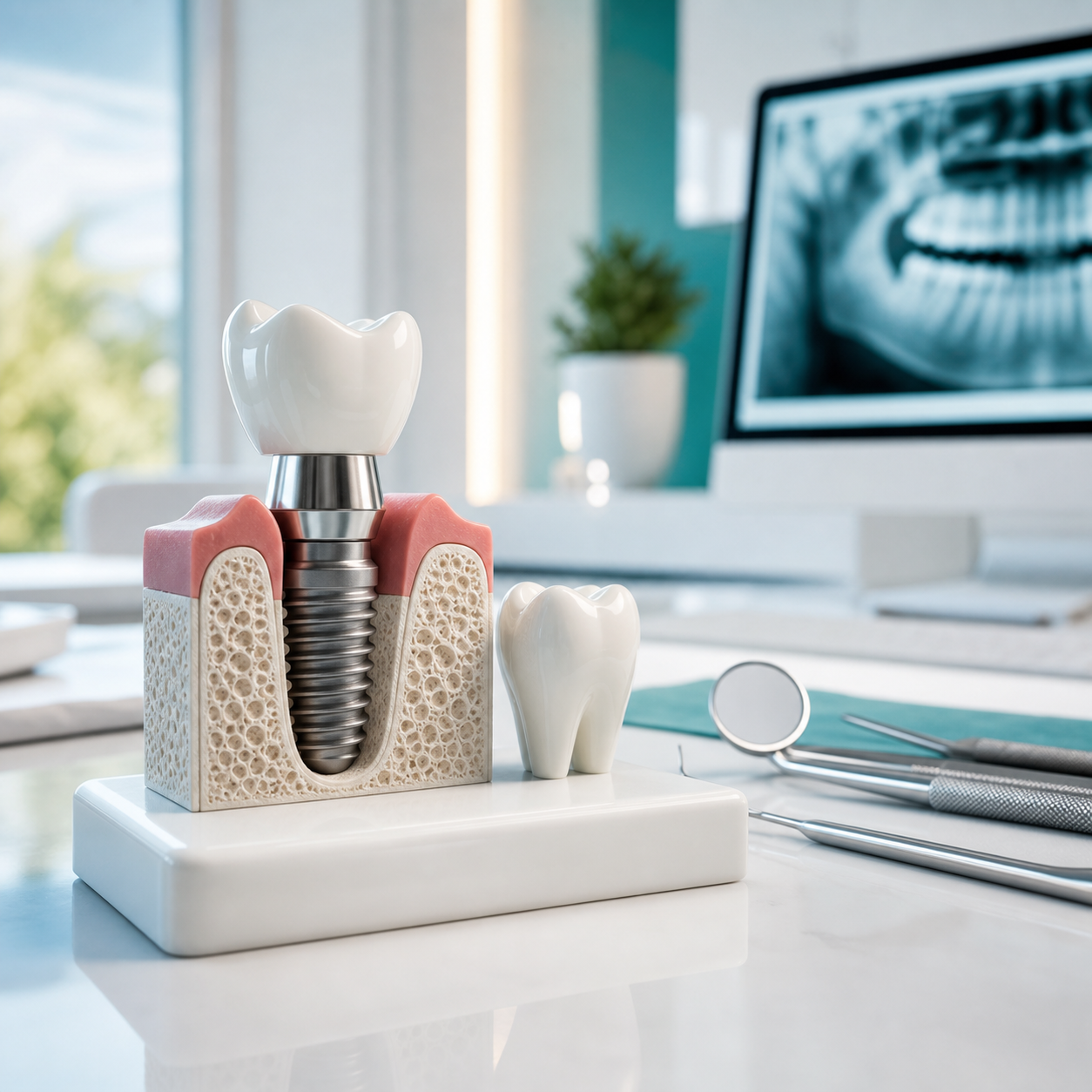
Dental implant model and crown at Dental Select Pattaya

Quick Answer: What affects dental implant cost in Pattaya?

Dental implant cost in Pattaya usually depends on the number of implants needed, the implant system selected, the material used for the final crown, and whether additional procedures such as extraction, bone grafting, or sinus lifting are required. The best comparison is the full treatment plan, not only the starting price of the implant fixture.

For current clinic pricing and service information, it also helps to review the Dental Select dental fee page and the main service page.

Why Different Clinics Quote Different Implant Prices

Many patients are surprised when two clinics give different implant quotes for what sounds like the same treatment. In practice, several factors can change the total fee:

Implant Brand

Different systems have different component pathways, manufacturing standards, and support options.

Case Complexity

A simple single implant is very different from a case that also needs extraction, grafting, or bite management.

Restoration Type

The abutment and crown material (like Zirconia) can change both function and aesthetics.

Comparing Top Dental Implant Brands & Pricing

Different implant manufacturers offer distinct benefits depending on your clinical needs and budget. Here is a breakdown of the leading systems available at Dental Select Pattaya:

BrandOriginImplant Surgery (THB)Zirconia Crown (THB)Total Price (THB)
OsstemSouth Korea30,00020,000 – 25,00050,000 – 55,000
Neodent (by Straumann)Brazil35,00025,00060,000
Swiss Implants (Straumann / Nobel Biocare)Switzerland40,00040,00080,000

How to Compare Value, Not Just a Low Headline Price

These questions help you compare like for like and reduce the risk of choosing a plan that looks cheaper at first but becomes more expensive or less predictable once treatment begins:

  • Ask whether the quote includes only the implant fixture or the full implant-plus-crown treatment.
  • Ask whether imaging, review visits, and follow-up appointments are included.
  • Ask what happens if grafting or extraction is needed after assessment.
  • Ask which implant system is being recommended and why.
  • Ask how many visits you should expect if you are coming from overseas.

What is included in a full implant plan?

  • Consultation and clinical examination
  • Dental X-rays or 3D imaging when needed
  • Tooth extraction (if the tooth is still present)
  • Implant fixture placement
  • Healing and review visits
  • Abutment connection
  • Final crown placement

The Step-by-Step Dental Implant Treatment Process

1

Consultation, Scan & Diagnosis

The dentist checks the tooth, gums, bite, existing restorations, and performs a 3D CBCT scan to assess bone volume and plan precise implant placement.

2

Implant Placement Surgery

The implant fixture (titanium screw) is surgically placed into the jawbone under local anaesthetic. A temporary tooth is fitted if necessary for aesthetics.

3

Osseointegration (Healing Period)

The implant is left to heal and fuse with the bone (osseointegration), which typically takes 3 to 6 months depending on bone density and the implant brand.

4

Abutment & Final Crown Fitting

Once fully healed, the abutment is connected to the implant and the final custom-made Zirconia or porcelain crown is secured and adjusted for a perfect bite.

How Crown & Abutment Materials Change the Final Fee

The implant fixture is only one part of the restoration. The visible tooth above the gum line is the crown, and it connects through an abutment. Material choices can affect both function and appearance:

  • Zirconia crowns: Often selected for strength and aesthetics, especially in visible areas.
  • Porcelain-fused-to-metal crowns: May be suitable in some cases and can influence pricing differently.
  • Customized abutments: May improve fit, angulation, and tissue support in more detailed aesthetic cases.

For front teeth, appearance and gum contour usually matter more, so material planning may differ from what is reasonable in the back of the mouth. Read more on how to choose a dental implant: brand, cost, or dentist.

Frequently Asked Questions

Is the cheapest implant option always the best value?

Not usually. The best value comes from a treatment plan that fits your mouth, includes the right components, and is predictable over time. The lowest starting quote may not include all the steps you eventually need.

Why can one patient’s implant cost be different from another’s?

Bone volume, gum condition, tooth position, implant brand, crown material, and whether extra procedures are needed can all change the final treatment fee.

Can I get an exact price before I come to Pattaya?

You may receive an initial estimate, but a precise quote usually depends on examination and imaging. A complete consultation gives the most reliable treatment plan.

Does implant brand really matter?

Yes, but it should be considered together with the dentist’s assessment, restorative plan, and your long-term needs. Brand is only one part of the decision.

Talk to Dental Select About Your Implant Plan

If you are comparing options for dental implant cost in Pattaya, the most helpful next step is to discuss your current dental condition, goals, and timeline with a qualified clinic. Dental Select can help you understand whether you are a suitable candidate, what steps are likely to be involved, and how to compare treatment choices more confidently.

Root Canal Treatment in Pattaya

Endodontic treatment in Pattaya

Root Canal Treatment in Pattaya

Root canal treatment, also called endodontic treatment, removes infection or inflammation from inside a tooth so the natural tooth can often be saved instead of extracted.

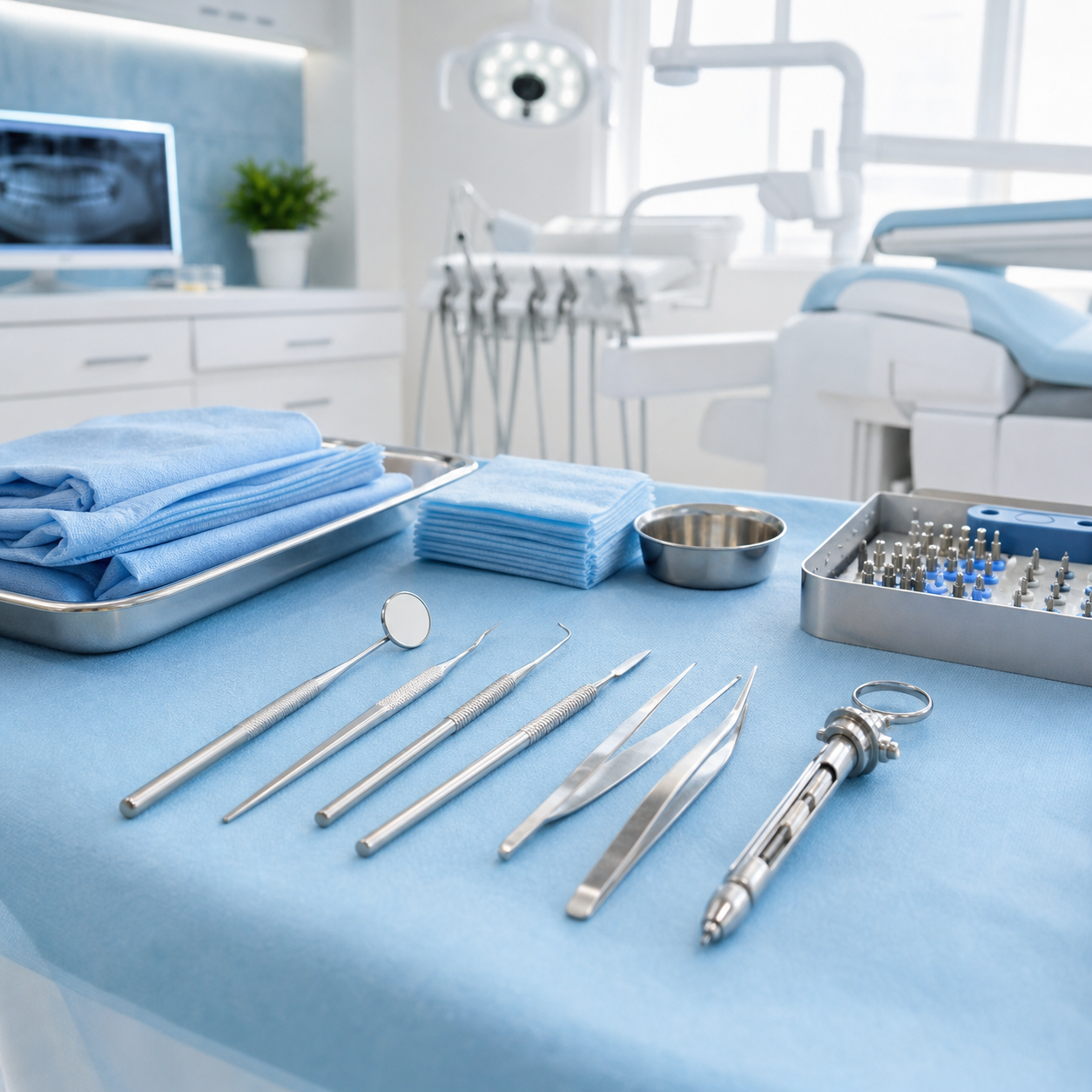
Endodontic root canal treatment setup at Dental Select Pattaya

Quick Answer

Root canal treatment cleans and seals the infected or inflamed nerve space inside a tooth. It may be needed for deep decay, tooth cracks, trauma, abscess, or lingering pain. After treatment, many teeth need a crown or final restoration for strength.

Key Facts Before You Decide

Best for

Deep cavities, nerve pain, dental abscess, cracked teeth, trauma, or infection around a tooth root.

Planning needed

Pain history, cold or percussion tests, X-rays, infection assessment, and restoration plan.

Main goal

Remove infection, relieve pain, and preserve the natural tooth where possible.

How Treatment Is Planned

The dentist checks symptoms, X-rays, tooth restorability, gum support, cracks, and whether saving the tooth is predictable compared with extraction and replacement.

  • Diagnosis of nerve inflammation or infection
  • Root canal vs extraction comparison
  • Final filling or crown planning
  • Follow-up X-ray and symptom review
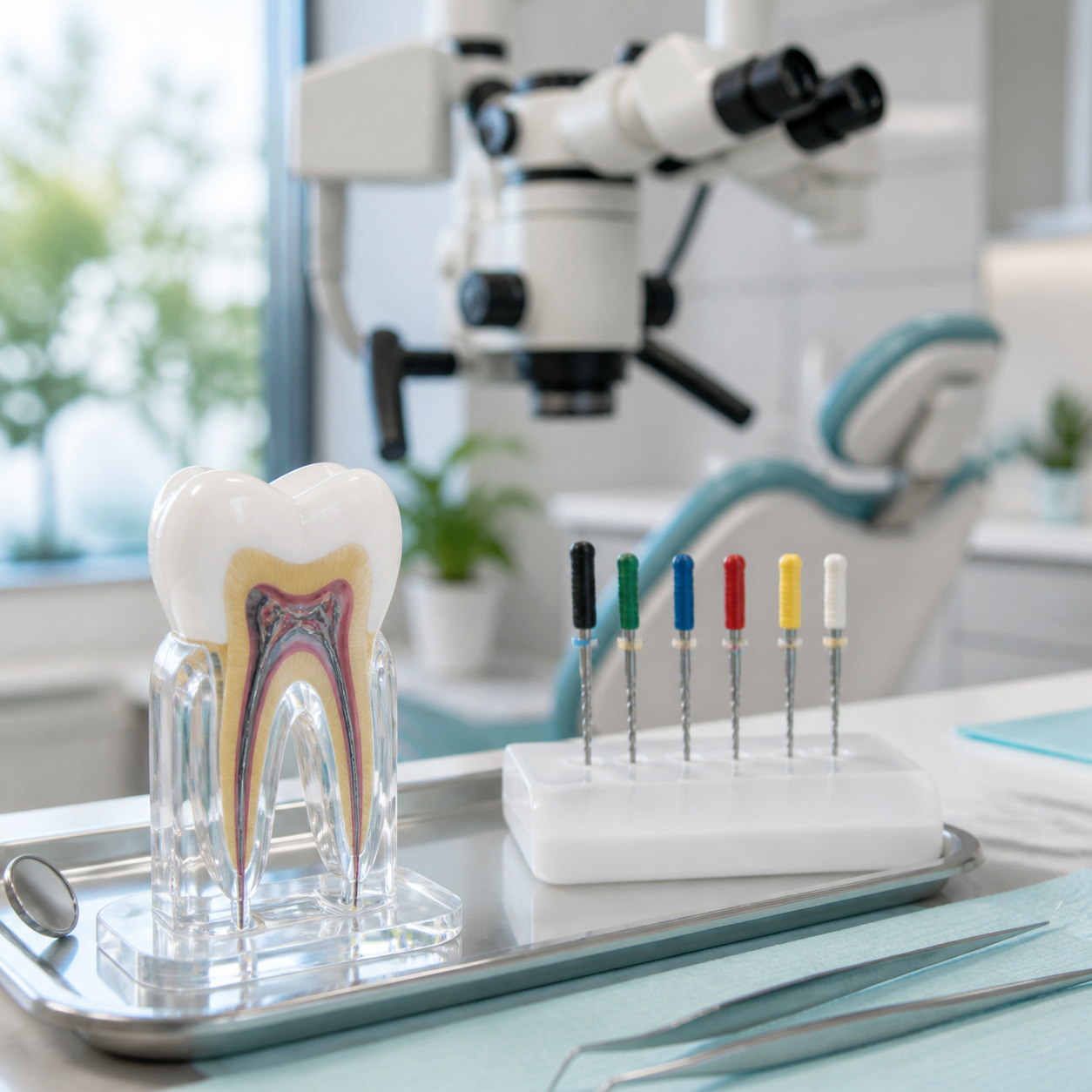
Root canal instruments and tooth model at Dental Select Pattaya

Treatment Snapshot

Treatment typeEndodontic cleaning, shaping, disinfection, and sealing of the tooth root canal system.
Typical stagesDiagnosis, anesthesia, canal cleaning, medication where needed, filling, and final restoration.
TimingSome teeth are completed in one visit. Infected or complex teeth may need multiple visits.
MaintenanceFinal restoration, good cleaning, bite protection where needed, and review if symptoms continue.

Treatment Options Compared

Root canal treatment

Best when a natural tooth can be predictably saved.

Retreatment

For selected teeth where a previous root canal has persistent infection.

Extraction and replacement

Considered when the tooth cannot be restored safely or predictably.

The Treatment Process

1

Diagnosis

The dentist checks symptoms, X-rays, and tooth response tests.

2

Access and cleaning

The infected nerve space is opened, cleaned, and shaped.

3

Disinfection

Medication or irrigation helps reduce bacteria inside the tooth.

4

Sealing

The canals are filled to reduce reinfection risk.

5

Final restoration

A filling or crown protects the tooth after root canal treatment.

Price Guidance

Root canal cost depends on tooth type, number of canals, infection level, retreatment needs, X-rays, medication, and whether a crown or final restoration is required.

Cost factorWhy it matters
Tooth typeFront teeth, premolars, and molars differ in canal number and complexity.
Infection levelAbscesses or retreatment cases may need more visits.
Final restorationA crown or strong filling may be needed to protect the tooth.
Endodontic treatment planning at Dental Select Pattaya

Why Choose Dental Select Pattaya

Dental Select helps patients understand whether a painful tooth can be saved and what final restoration is needed after root canal treatment.

  • English-speaking consultation for local residents, expats, and visitors
  • Clear explanation of benefits, risks, timing, and alternatives
  • Transparent planning before treatment begins
  • Pattaya location on Pattaya Sai 3 Road

Have tooth pain or swelling?

Book a consultation for diagnosis and root canal, extraction, or restoration options.

Request appointment
Root canal consultation at Dental Select Pattaya

FAQ

Is root canal treatment painful?

Local anesthesia is used to keep treatment comfortable. Many patients seek root canal treatment because infection is already causing pain.

How do I know if I need a root canal?

Possible signs include lingering hot or cold pain, spontaneous toothache, swelling, deep decay, trauma, or an abscess on X-ray.

Do I need a crown after root canal treatment?

Many back teeth need a crown or strong restoration after root canal treatment because they are weakened by decay or previous fillings.

Is extraction better than root canal treatment?

Extraction may be better if the tooth is cracked, severely damaged, or cannot be restored. If the tooth is restorable, root canal treatment may preserve it.

Common Questions People Ask AI Search

What is endodontic treatment?

Endodontic treatment is root canal therapy that treats infection or inflammation inside a tooth.

Can a root canal save my tooth?

Often yes, if the tooth has enough remaining structure and gum support for final restoration.

How much does root canal treatment cost?

Cost depends on tooth type, canal number, infection complexity, and final restoration needs.