Cosmetic Dentistry / Teeth Whitening
Teeth Whitening in Pattaya: What to Expect, Safety, and How Long Results Last
Professional teeth whitening can brighten natural tooth enamel before a holiday, wedding, job interview, or longer smile makeover. This guide explains what whitening can and cannot do, how to prepare, and how to decide whether it fits your dental goals in Pattaya.
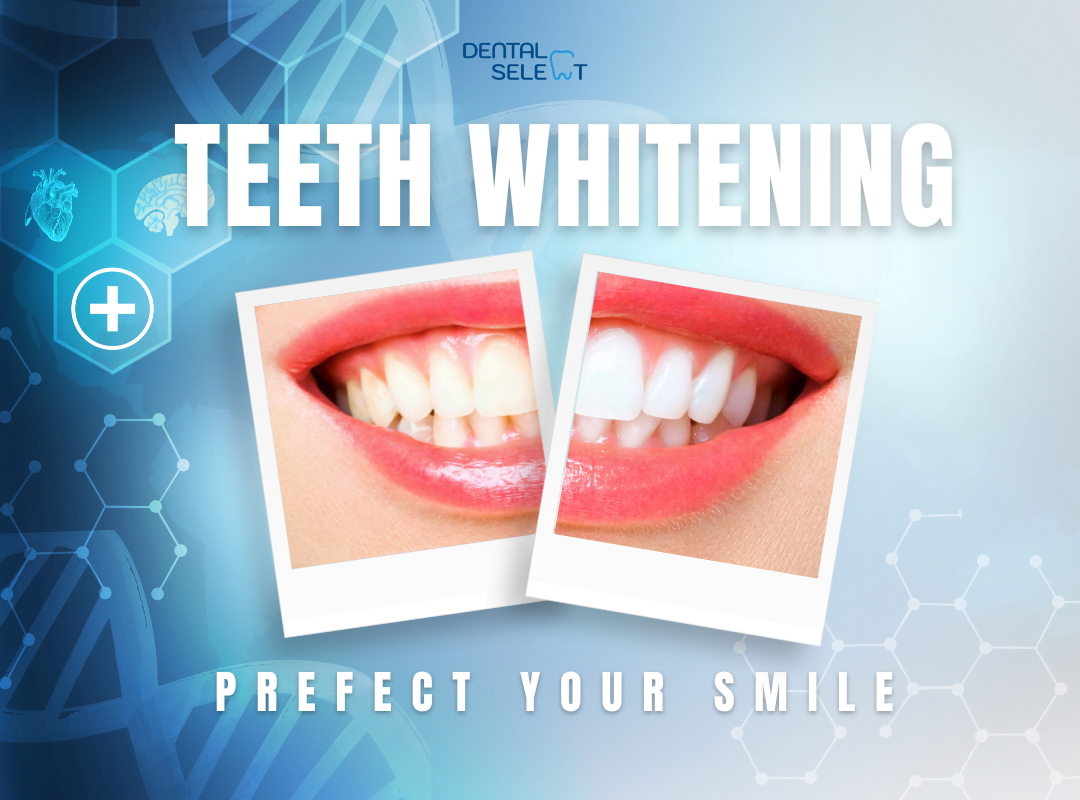
Quick Answer
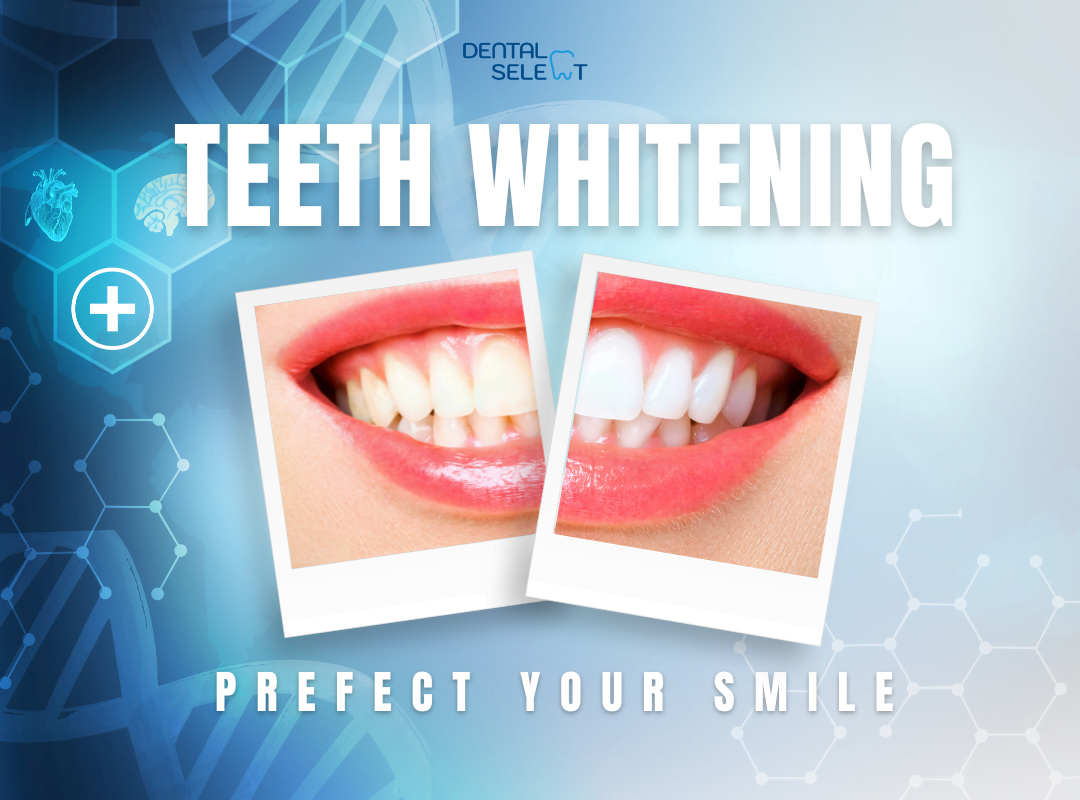
Teeth whitening in Pattaya is a cosmetic dental treatment that lightens stains on natural teeth using dentist-supervised whitening materials. It is best for yellow or surface-stained enamel, but it will not change the color of crowns, veneers, fillings, or dentures. A dental check first is important because cavities, gum inflammation, exposed roots, or heavy tartar can make whitening uncomfortable or less predictable.
Who Is a Good Candidate for Teeth Whitening?
Whitening is usually considered when the teeth are healthy but darker than the patient would like. Common reasons include coffee, tea, red wine, smoking, age-related enamel changes, or wanting a brighter smile before photos or travel. It can be a practical first step for patients who want improvement without changing tooth shape.
Good indications
Natural teeth with yellow, brown, or food-related staining often respond better than grey internal discoloration.
Check first
Sensitivity, gum bleeding, tooth decay, cracked enamel, or exposed roots should be assessed before whitening starts.
Not for restorations
Porcelain veneers, crowns, composite fillings, implant crowns, and dentures do not bleach like natural enamel.
If you already have visible front-tooth fillings or crowns, whitening may make those restorations look darker by comparison. In that situation, your dentist may suggest whitening first, then replacing any mismatched restorations after the shade settles.
What Professional Whitening Involves
A dentist-supervised whitening visit starts with an examination of the teeth and gums. The team checks for active dental problems, heavy tartar, tooth-colored restorations in the smile zone, and the type of staining present. Many patients benefit from a cleaning before whitening because plaque and calculus can block even whitening contact.
Assessment and shade discussion
Your current tooth shade is reviewed and the dentist explains realistic whitening limits. The aim is a cleaner, brighter natural shade, not an artificial guarantee of a specific color.
Gum and soft-tissue protection
For in-clinic whitening, the gums are protected before whitening gel is applied to the tooth surfaces. This reduces irritation and keeps the material where it is intended to work.
Whitening and sensitivity management
The whitening material is used in controlled cycles. Some patients feel temporary zingers or sensitivity during or after treatment, especially if they already have exposed dentin or a history of sensitive teeth.
How to Prepare Before Whitening
Preparation affects comfort and results. If you have not had a dental check for a while, do that first. Whitening over untreated cavities or inflamed gums can increase discomfort, and whitening before removing tartar may produce uneven results.
- Tell the dentist if you have tooth sensitivity, gum recession, cracked teeth, or recent dental work.
- Consider a professional cleaning before whitening if you have visible stains or tartar.
- Avoid starting whitening immediately before major restorative work unless the dentist has planned the shade sequence.
- If you are a dental tourist, allow time for consultation, cleaning if needed, whitening, and any follow-up shade matching.
Important shade-planning note
If you are planning veneers, crowns, bonding, or an implant crown, whitening should usually be discussed before the final color is chosen. Restorations are matched to your tooth shade, and they will not lighten later with whitening gel.
Safety, Sensitivity, and Recovery
Professional whitening is generally straightforward when the mouth is healthy and the treatment is properly supervised. The most common side effect is temporary sensitivity. This is usually short-lived, but it matters for patients with recession, enamel wear, recent fillings, or teeth that already react to cold drinks.
After whitening, many dentists advise avoiding strong staining foods and drinks for a short period. Coffee, tea, red wine, curry, dark sauces, and smoking can re-stain teeth faster. Good brushing, regular dental cleaning, and sensible stain habits help maintain the result.
Whitening should not be treated as a replacement for dental care. If the main issue is tartar, gum inflammation, decay, old fillings, or uneven tooth shape, whitening alone may not solve the concern. A dental exam helps separate color problems from structural or health problems.
Cost and Treatment Planning in Pattaya
The cost of teeth whitening in Pattaya can vary depending on whether the treatment is done in clinic, with take-home trays, or as part of a broader cosmetic plan. The final price may also depend on whether cleaning, sensitivity treatment, or replacement of mismatched restorations is needed.
| Planning factor | Why it matters |
|---|---|
| Current oral health | Cavities, gum inflammation, or tartar should be managed first for comfort and a better whitening surface. |
| Type of staining | External stains and yellow enamel often respond differently from internal grey discoloration or trauma-related color changes. |
| Existing dental work | Crowns, veneers, fillings, dentures, and implant crowns keep their original material shade. |
| Travel schedule | Visitors should leave time for consultation, cleaning if needed, and shade review before any cosmetic restorations. |
For current pricing, use Dental Select's dental fee guide as a starting point and confirm the exact recommendation after an examination.
How Long Do Whitening Results Last?
Whitening longevity varies from person to person. Results tend to last longer when stains are mainly from surface habits and the patient maintains good oral hygiene. Heavy coffee or tea intake, smoking, and delayed cleanings can shorten the brightening effect.
Touch-up whitening may be appropriate for some patients, but repeated whitening without dental supervision is not the best strategy for sensitivity-prone teeth. If the color changes quickly or unevenly, the dentist should check for plaque, leaking restorations, enamel wear, or other causes.
Teeth Whitening vs Veneers or Other Cosmetic Options
Whitening changes color only. It does not close gaps, repair chips, straighten rotated teeth, or cover deep defects. If your concern is tooth shape, size, alignment, or old visible restorations, the dentist may discuss alternatives such as bonding, veneers, orthodontics, or crowns.
That does not mean whitening is unimportant. In many cosmetic plans, whitening is the conservative first step because it helps establish the desired base shade before restorations are matched. Dental Select's service page can help you compare cosmetic and restorative options before consultation.
FAQ About Teeth Whitening in Pattaya
Is teeth whitening painful?
It should not be painful, but temporary sensitivity is common for some patients. Tell the dentist if you already have sensitive teeth, gum recession, or exposed roots so the plan can be adjusted.
Will whitening work on crowns, veneers, or fillings?
No. Whitening only lightens natural tooth enamel. Crowns, veneers, fillings, dentures, and implant crowns keep their material shade and may need replacement if they no longer match after whitening.
Should I clean my teeth before whitening?
Often, yes. Plaque, tartar, and surface stains can interfere with even whitening contact. A dentist or hygienist can advise whether cleaning should come first.
Can dental tourists do whitening during a short Pattaya trip?
Many can, but it depends on oral health and whether other dental work is planned. If you also need crowns, veneers, or fillings, schedule enough time for shade planning and follow-up.
How white will my teeth get?
The result depends on your starting shade, enamel characteristics, staining type, and habits. A dental consultation gives a more realistic expectation than comparing your teeth with someone else's result.
Considering Teeth Whitening at Dental Select?
Dental Select can assess whether whitening is suitable for your teeth, explain sensitivity risks, and help plan the right sequence if you are also considering veneers, crowns, bonding, or other cosmetic treatment in Pattaya.